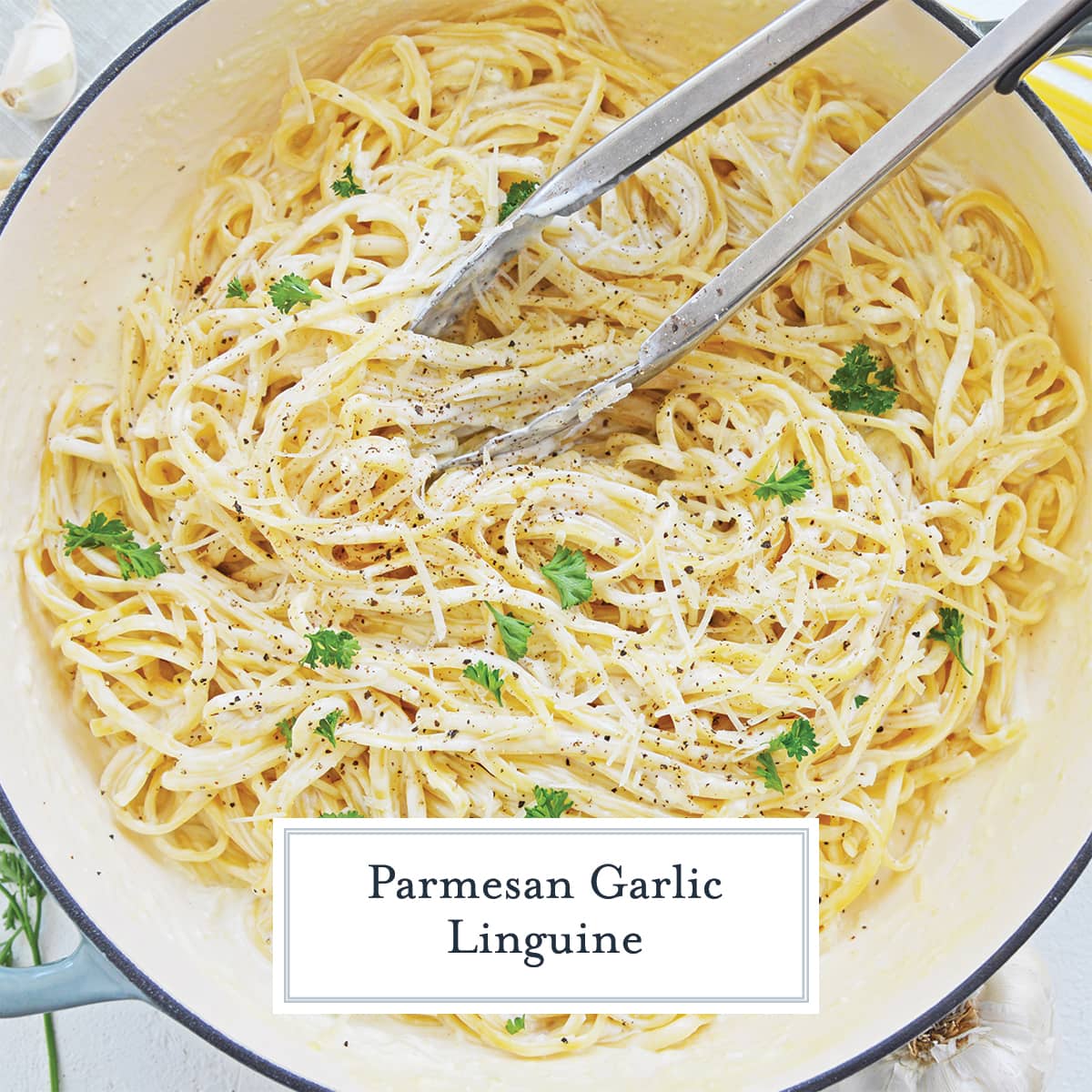
Pasta alternatives: When you’re crafting a dish that requires linguine, there are several pasta types you can use if linguine isn’t on hand. Spaghetti, fettuccine, or bucatini serve as wonderful replacements, providing comparable textures and cooking durations. Moreover, shorter pasta shapes like penne or orecchiette can nicely complement the sauce, offering a varied yet enjoyable dining experience.
Make it without dairy: For those interested in a dairy-free variant of the recipe, cashew cream or oat milk can replace conventional cream and milk. These options yield a creamy consistency while avoiding dairy products. To achieve a cheesy taste minus the cheese, nutritional yeast works well as a substitute, delivering a savory flavor that resembles the richness of cheese.
Incorporating protein: This linguine recipe is quite flexible regarding protein additions. For a seafood flair, cooked shrimp can be mixed in at the conclusion. Alternatively, cooked chicken or salmon can be added for a more filling meal. Vegetarians can increase the protein level by including white beans or baked tofu, making the dish both wholesome and rewarding.
Regarding Pecorino: Pecorino Romano is a matured Italian cheese recognized for its sharp, salty depth, which amplifies the dish’s flavor profile. While Parmesan may be a viable substitute, Pecorino Romano is advised for its unique taste. Whenever possible, try to source Pecorino to enhance the dish to its utmost potential.
Storing leftovers: Keep any remaining portions in the refrigerator for as long as three days. To ensure the sauce maintains its texture during reheating, reserve some pasta water to reintegrate into the dish. Reheat slowly on the stovetop in a skillet to retain the flavors and consistency, guaranteeing a tasty meal even the following day.