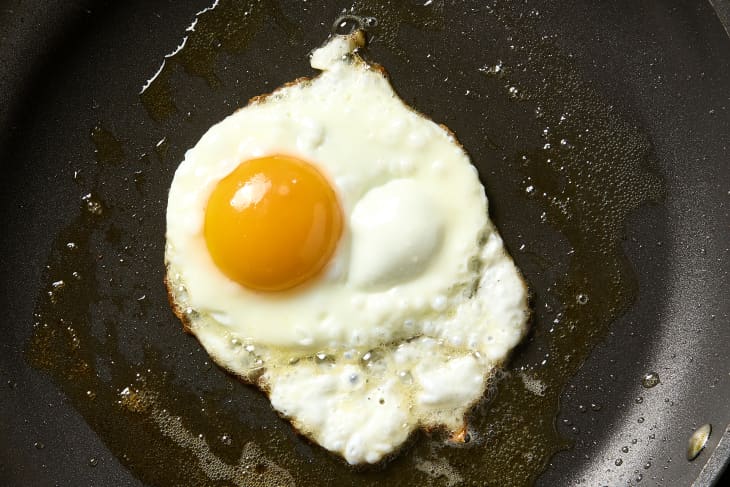
Ah, the humble fried egg. This versatile staple can be enjoyed any time of day. Serve it on top of avocado toast, layer it with chorizo for a spicy breakfast taco, or even add one on top of a juicy burger — the possibilities are endless.
Yet while simple, it can be hard to perfect, so we turned to the experts (aka professional chefs) to get the scoop. I spoke to Emmy Clinton, recipe developer and founder of Entirely Emmy; Colu Henry, food writer and cookbook author; Tara Thomas, chef and food empowerment activist; and Caroline Schiff, co-owner of Monday Diner and James Beard award nominee, to uncover their tips for getting a perfect fried egg every time. Here’s what they had to say.
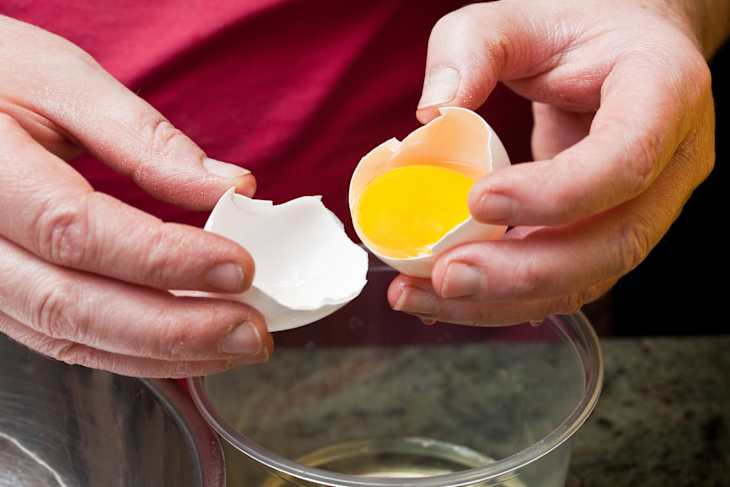
1. Crack your egg into a bowl first.
Both Clinton and Schiff agree that cracking your egg into a small bowl first, rather than directly in the pan, is essential to ensure there aren’t any broken yolks or shells. Clinton also “gently slides [the egg] into the pan” to further ensure the yolk stays intact.
2. Cook it in butter.
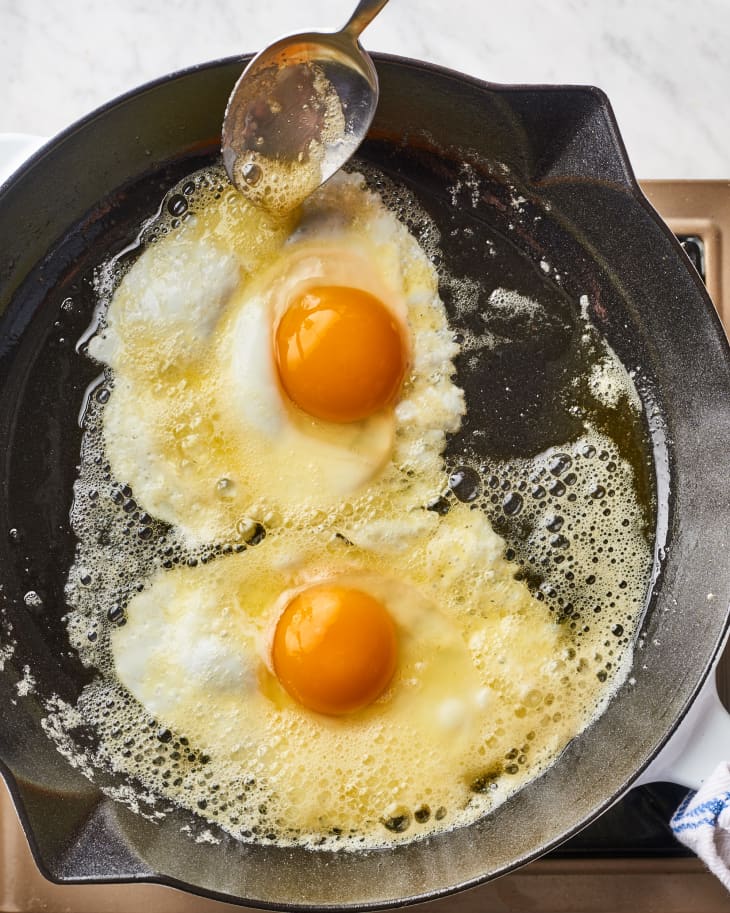
All the chefs agreed that butter is their preferred fat of choice when cooking a fried egg — and don’t be afraid to use a lot of it. You want a generous amount and to ensure it’s fully melted before adding in your egg. Schiff specifically likes to use clarified butter. “It has a very high smoke point and won’t burn like regular butter, but you get that rich butter flavor,” she says.
3. Control the heat.
The jury’s out on this one; the consensus on what temperature to use was pretty mixed. Clinton’s preferred method is cooking it on “low heat, very slowly.” She stresses that controlling the temperature and timing is the key to getting a perfect fried egg every time. “The pan with heated butter on low heat allows for a slow crisp, instead of a burnt fried egg. High heat leads to a rubbery crisp [egg] because the whites get overdone before the yolk has a chance to warm or cook at all.”
Henry opts for “medium heat, not a scorching pan,” while Schiff on the other hand says, “A very hot pan is key.” Schiff also says it’s important not to “disturb [the egg] until you see the whites setting and getting crisp around the edges.” Ultimately, it comes down to personal preference and how runny or fully cooked you want your egg to be.
4. Aim for room temperature eggs.
To get the most even cooking, Henry also recommends using room temperature eggs. “If you use a cold egg, you chance an uneven cooking time between the whites and yolks,” she says.
5. Use a nonstick pan.
All the chefs agreed that a nonstick pan is a non-negotiable when it comes to cooking fried eggs, with many specifying a seasoned cast-iron skillet works best. “I have used a stainless steel pan in the past, and it’s doable, but you need to use much more fat to keep the eggs from sticking. It’s not my first choice!” Henry says.
6. Season while cooking.
Most of the chefs also recommended that seasoning the egg with salt and pepper while it cooks is always a good idea. “This provides more depth and flavor,” Clinton says. Thomas also likes to “throw in some seeds or salsa macha” for an extra boost of flavor. “Breakfast tacos [are] a go-to of mine in the morning!” she says, serving hers on “a nice toasty corn tortilla with fresh cilantro.”
7. Baste or steam the egg.
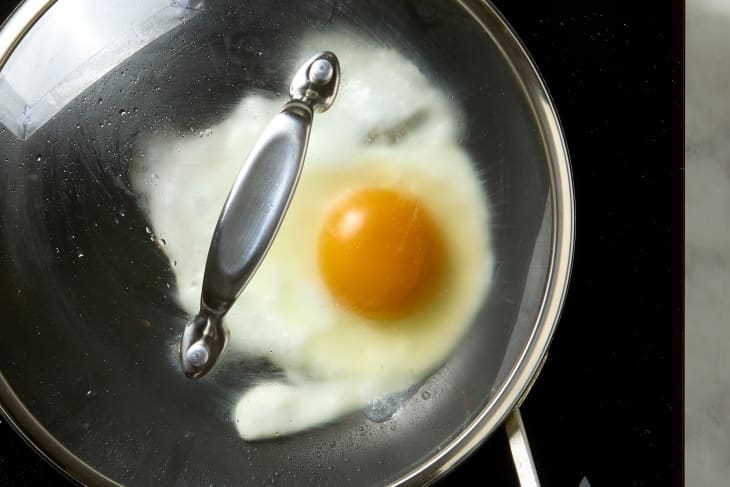
Both Henry and Schiff like to baste their eggs with butter, constantly spooning some over top while cooking. “This helps the whites cook on top a bit. You get crispy edges, set whites, and a runny yolk, which is my preferred texture,” Schiff adds.
Clinton and Thomas on the other hand like to steam their eggs, placing a lid on top to allow the whites to cook completely through. Thomas also adds a tablespoon of water before doing so. “When it’s done there’s a crispy flavorful situation holding a beautiful egg!” she says. Clinton also warns not to flip the egg too early. “Wait until the egg white is opaque for the perfect over-easy egg.”