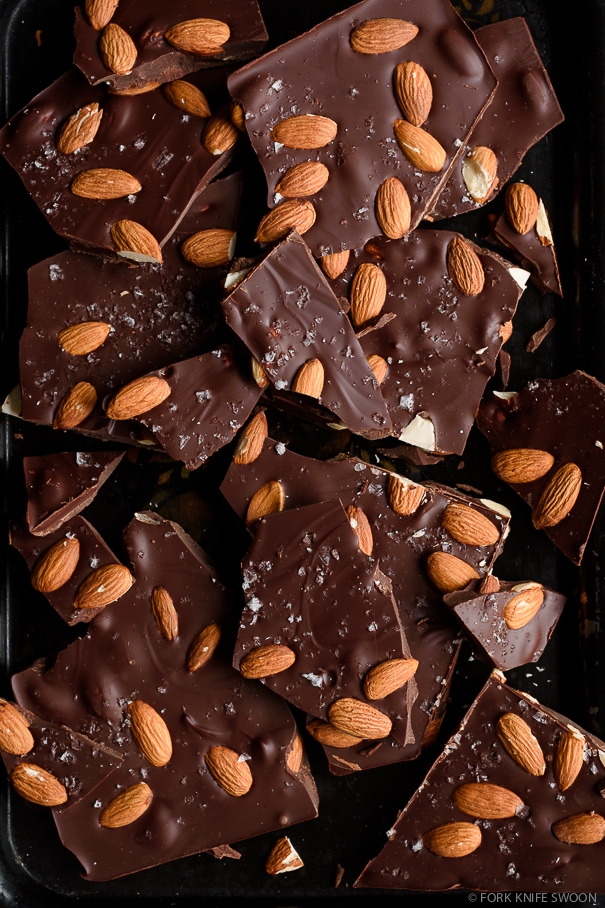
This homemade chocolate bark recipe showcases dark chocolate adorned with cranberries, pistachios, and coconut for a delightful sweet and salty snack. Here’s how to temper chocolate to achieve the ideal crisp texture and shiny appearance.
As a dedicated chocoholic, one of my favorite treats to prepare is Chocolate Bark! It’s incredibly easy to make, and I adore finishing it off with a sweet and salty assortment. It’s the ultimate healthy dessert that’s also enjoyable to create as a gift or for a festive cookie platter.
I prefer using cranberries, pistachios, coconut, and sea salt for the toppings, but you have complete freedom to choose! Here’s how to create the perfect chocolate bark: achieving a smooth luster on the chocolate along with the right crisp snap when you take a bite.
Why Tempering Is Crucial
Some individuals skip tempering their chocolate for chocolate bark, but I’ve discovered it truly makes a difference. Tempered chocolate has a shiny surface, maintains its firmness at room temperature, and breaks cleanly when you snap it. Without tempering, the chocolate may appear dull and can develop white streaks during storage (known as chocolate bloom: which has occurred to me more than once!).
This process entails heating chocolate to a precise temperature, cooling it, and then gently warming it again. It’s not my favorite task (it can be a bit tricky), but the resulting texture is well worth the effort.
Selecting Ingredients for Chocolate Bark
Here’s what you’ll require for this chocolate bark recipe:
– High-quality semi-sweet or 60% dark chocolate: In my experience, 60% dark chocolate has the most delightful flavor. Even though I’m a massive fan of dark chocolate, 70% can be a touch too bittersweet. The better the quality of the chocolate, the richer the taste!
– Dried cranberries: Contribute a tart sweetness that balances the richness of dark chocolate. I’m also fond of the vibrant color they add.
– Pistachios: Provide a buttery crunch and stunning green hue.
– Large coconut flakes: Introduce an interesting flavor and a confetti-like appearance.
– Sea salt or smoked sea salt: I am a big supporter of the salty and sweet combination. If you opt for smoked salt, it’s the secret ingredient that has everyone asking for the recipe.
How to Temper Chocolate
Chocolate is temperamental: end of story! As mentioned earlier, tempering is a specialized technique that heats and cools chocolate to stabilize it for candy-making. This process results in the most stable texture, shiny surface, and avoids the white “bloom” that may develop on chocolate during storage. Here are a few tips for tempering chocolate:
– You’ll need a food thermometer and a small saucepan filled with barely simmering water. The essential rule: do not allow even a drop of water to contact your chocolate, or it will seize into a grainy disaster.
– Melt two-thirds of your chopped chocolate by placing a bowl over the simmering water until it reaches 108-115°F. Remove it from heat and mix in the remaining unmelted chocolate pieces: these are referred to as “seed” pieces, and they assist the melted chocolate in crystallizing properly as it cools to 85-86°F. Then, reheat it until it reaches 90-91°F. Now you’re prepared to create chocolate bark!
If you don’t have a food thermometer or prefer to skip this step, you can still produce decent chocolate bark. It simply won’t have that beautiful sheen and crisp snap.
Chocolate Bark Mix-In Suggestions
Once you’ve successfully navigated the chocolate melting stage, making chocolate bark is a breeze! For this batch, I used cranberries, pistachios, coconut, and smoked salt. To me, the blend of sweet, salty, crunchy, tropical, and smoky is perfection!
The smoked salt is optional, but if you can track it down, it adds a unique twist (if not, regular sea salt will suffice). Naturally, you can incorporate any mix-ins you enjoy. Here are a few more suggestions for chocolate bark toppings:
– Nuts such as pistachios, walnuts, cashews, pecans, hazelnuts
– Seeds like pumpkin seeds or sesame seeds
– Dried fruits such as dried cranberries, cherries, apricots, blueberries, or freeze-dried strawberries (great for a Valentine’s Day version)
– Crystalized ginger
– Broken pretzel pieces
– Crushed peppermint candies
– Chopped candies of any kind
– Crushed potato chips
– Sprinkles
Serving and Gifting Suggestions
After your chocolate bark has set and is broken into irregular shards, it makes a delightful addition to holiday cookie platters. You can also package pieces in plastic bags tied with ribbons for charming gifts.
For dinner gatherings, chocolate bark pairs wonderfully with espresso martinis or as a component of a dessert board featuring chocolate mousse and fresh berries.
Storage Recommendations
Tempered chocolate is stable at room temperature, but I