**The Art of Frying Eggs: Techniques and Tips for Ideal Results**
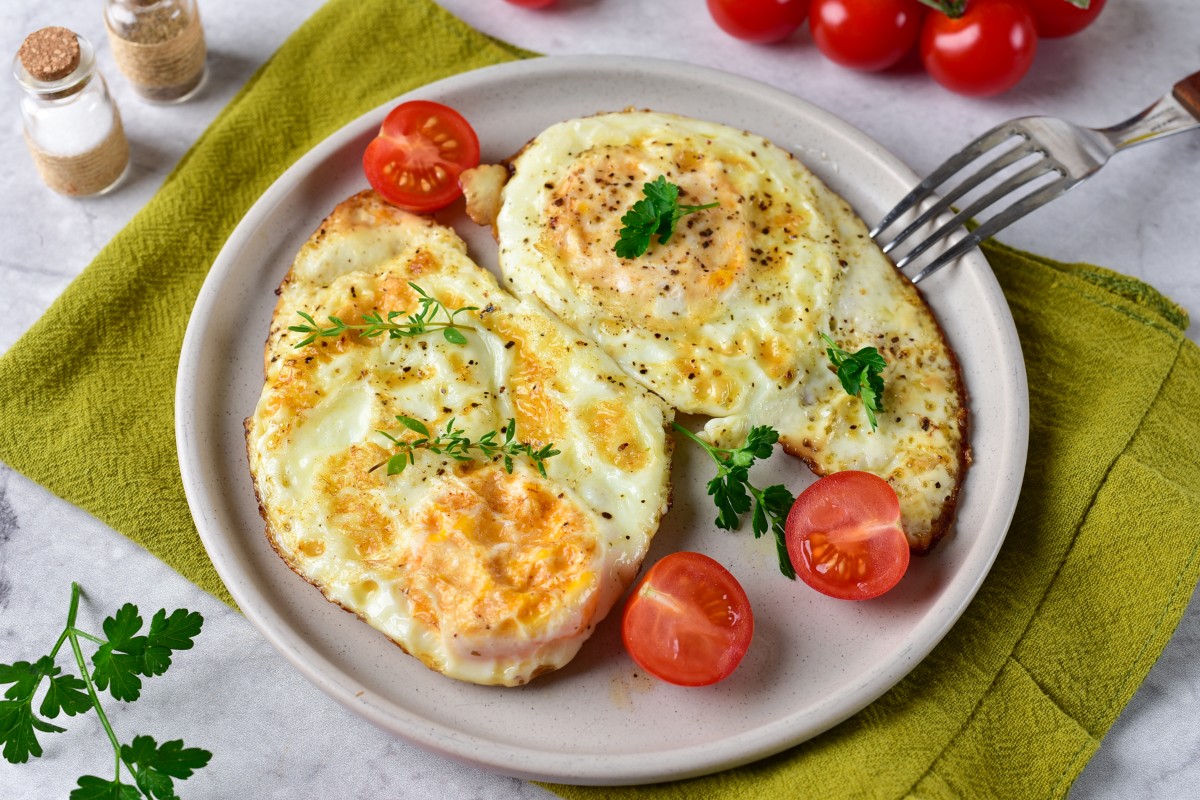
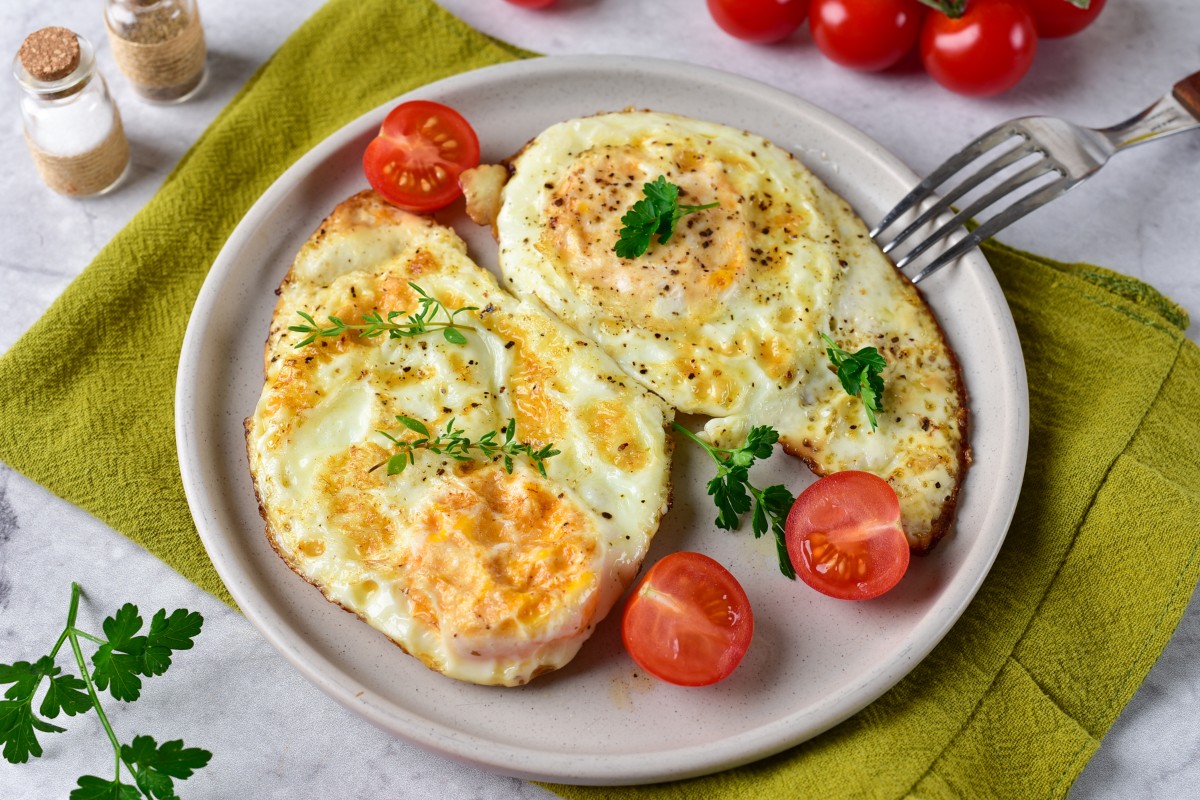
Frying eggs is a culinary endeavor that appears straightforward but requires a hint of skill to attain excellence. The quality of the eggs and the cooking technique are vital in influencing the final result. Here, we explore the intricacies of frying eggs, emphasizing the freshness of the eggs and the necessity of slow cooking.
**Fresh Eggs: The Key to Perfectly Formed Whites**
In the realm of frying eggs, the freshness of the eggs is crucial. Fresh eggs are perfect for frying as their whites are sturdier and maintain their shape better in the pan. This sturdiness is attributed to the increased protein content in the whites of fresh eggs, which diminishes with age. Thus, older eggs often have runnier whites that spread in the pan, making them harder to manage.
For those who desire their fried eggs to appear visually appealing, opting for fresh eggs is essential. The whites of fresh eggs will remain compact, resulting in a neat presentation. However, if older eggs are the only option at hand, don’t lose hope. You can use a spatula to gently guide the spreading whites back toward the center of the egg. While this method may not produce the same aesthetic as fresh eggs, it will still yield a tasty fried egg.
**The Slow Cooking Method: Preventing Overcooked Eggs**
A crucial element of frying eggs is the pace of cooking. Eggs are fragile and can easily become overcooked when exposed to high heat. The secret to perfect fried eggs is encapsulated in the phrase: the slower, the better. Cooking eggs gently over low heat guarantees that the whites are thoroughly cooked without turning rubbery, and the yolks stay delectably runny.
When frying eggs, patience is essential. Begin by warming your skillet over low to medium heat and adding a small amount of oil or butter. Once the fat is warm, crack the eggs into the pan and allow them to cook gently. Avoid the temptation to raise the heat, as this can lead to overcooked whites and yolks.
It’s also vital to think about the residual heat of the skillet, especially if you are preparing several batches of eggs. The skillet retains heat, so if you are frying a second batch, you might need to reduce the heat slightly to avoid cooking the eggs too rapidly. This adjustment ensures that every batch of eggs is cooked to perfection, featuring tender whites and creamy yolks.
**Conclusion**
Frying eggs is an art that merges the right ingredients with the correct technique. By choosing fresh eggs, you guarantee that the whites maintain their structure, resulting in an appealing dish. Cooking the eggs slowly over low heat wards off overcooking, allowing you to relish the ideal texture and flavor. Regardless of whether you’re an experienced chef or a home cook, perfecting the art of frying eggs will elevate your breakfast experience and impress anyone fortunate enough to gather at your table.