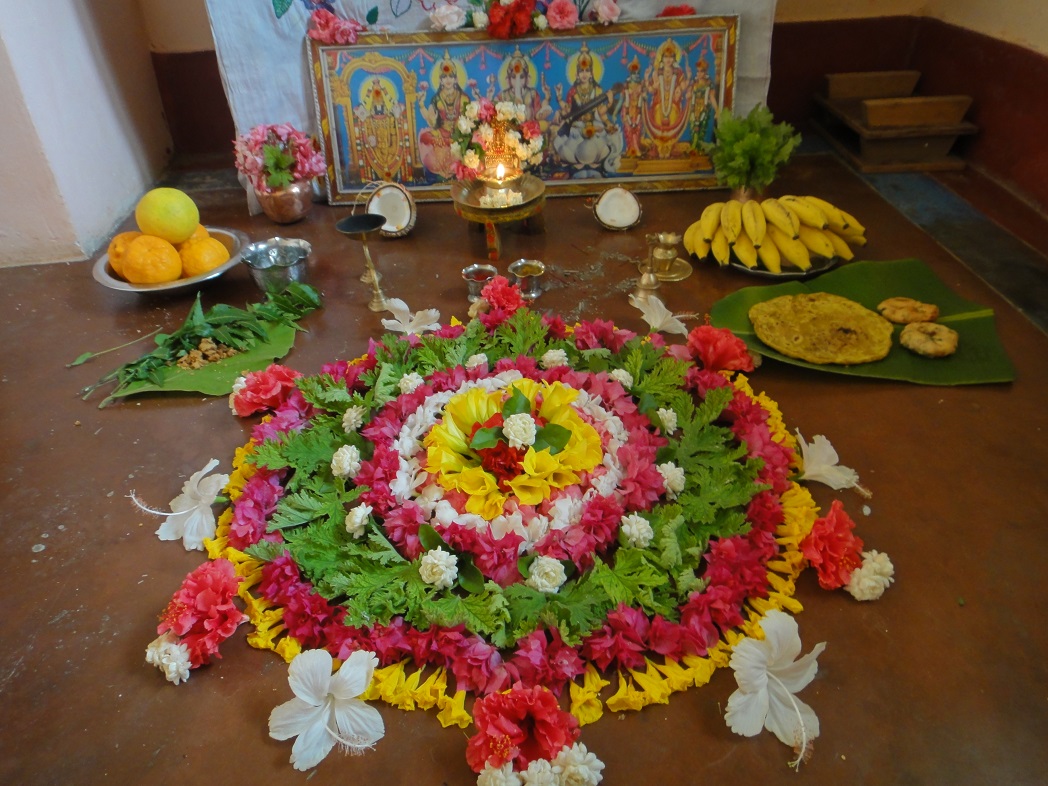
### Ugadi: Telugu New Year 2017
Ugadi, the Telugu New Year, is an important festival celebrated with immense zeal in the states of Andhra Pradesh and Telangana. In 2017, Ugadi took place on March 29th, signifying the start of the new year as per the Hindu lunisolar calendar. This festival represents a moment for rejuvenation, contemplation, and festivity, as families unite to honor customs and greet the new year with joy and optimism.
#### Significance of Ugadi
Ugadi comes from the Sanskrit terms “Yuga” (age) and “Adi” (beginning), representing the commencement of a new era. It is believed that on this day, Lord Brahma fashioned the universe. The festival carries cultural and spiritual significance, as it is a time to request blessings for wealth and happiness in the year ahead.
#### Ugadi Celebrations
The festivities usually start with the tradition of tidying and embellishing homes, signifying the cast-off of negativity and the welcoming of positivity. Homes are decorated with mango leaves and vibrant rangoli patterns. The day begins with a special puja (prayer) to invoke blessings from the deities.
A vital component of Ugadi is the making of **Ugadi Pachadi**, a customary dish combining six tastes: sweet (jaggery), sour (tamarind), salty (salt), bitter (neem flowers), spicy (green chilies), and tangy (raw mango). This dish represents the various nuances of life and serves as a reminder that existence consists of both joys and sorrows.
#### Festive Foods
Cuisine holds a pivotal place in Ugadi celebrations. Households prepare an array of traditional dishes, including:
– **Andhra Style Pulihora (Tamarind Rice)**: A spicy and tangy rice meal formulated with tamarind and spices.
– **Ulli Garelu (Urad Dal Vada)**: Crunchy lentil donuts that are a favored snack during the celebrations.
– **Bellam Garelu (Sweet Vada)**: Sweetened vadas crafted from jaggery, providing a pleasant contrast to savory offerings.
– **Semiya Payasam (Vermicelli Kheer)**: A sweet dish made with vermicelli, milk, and sugar, frequently flavored with cardamom and topped with nuts.
These culinary creations not only amplify the festive atmosphere but also bring families together in the kitchen, nurturing a sense of community and cultural heritage.
#### Conclusion
Ugadi is a period for celebration, introspection, and rejuvenation. As families gather to cook traditional meals and engage in rituals, they embody the spirit of the new year with hope and positivity. The festival highlights the significance of family, culture, and the rich culinary traditions of the Telugu community. Sri Hemalamba Nama Samvatsara Subhakanshalu! May this Ugadi usher in joy, prosperity, and happiness for everyone.