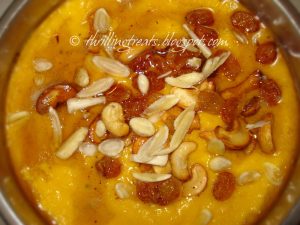
Recipe for Carrot Payasam
### Carrot Kheer Recipe: A Delicious Indian Sweet Dish
Carrot Kheer, often referred to as Gajar Ki Kheer, is a scrumptious Indian sweet that merges the natural sweetness of carrots with the creaminess of milk and the crunch of almonds. This rich pudding is particularly favored during festive celebrations like New Year’s and Diwali, making it an ideal delicacy to commemorate special occasions.
#### Ingredients
– 500 grams of Delhi red carrots (or any available variety)
– 1 liter of full-fat milk (or low-fat milk)
– 100 grams of sugar (to taste)
– 50 grams of blanched almonds (finely ground)
– 2 tablespoons of ghee (clarified butter)
– 4-5 green cardamom pods (crushed)
– A handful of chopped nuts for garnish (optional)
#### Instructions
1. **Carrot Preparation**:
– Clean and peel the carrots. Grate them using a grater or a food processor.
2. **Sautéing Carrots**:
– In a thick-bottomed pan, warm the ghee over medium heat.
– Add the grated carrots and sauté for around 5-7 minutes until they soften and emit their fragrance.
3. **Cooking with Milk**:
– Add the milk and bring it to a boil.
– Lower the heat and simmer for about 20-25 minutes, stirring now and then to avoid sticking.
4. **Incorporating Sugar and Almonds**:
– Once the milk has thickened and reduced, add the sugar and ground almonds. Stir well and cook for an additional 5-10 minutes.
5. **Adding Flavor**:
– Mix in the crushed cardamom pods for an aromatic touch. Alter the sweetness if needed.
6. **Blending (Optional)**:
– For a creamier consistency, blend the mixture to a smooth paste using a blender. This step is optional based on your texture preference.
7. **Serving**:
– Take it off the heat and allow it to cool slightly. Serve warm or chilled, topped with chopped nuts.
#### Nutritional Benefits
Carrot Kheer is not only delectable but also rich in nutrients. Carrots are high in beta-carotene, beneficial for eye health, while almonds provide healthy fats and protein. This dessert can be a gratifying way to indulge without sacrificing nutrition.
#### Conclusion
Carrot Kheer is an attractive and delightful dessert that is certain to wow your visitors. Its creamy consistency and rich taste make it a standout dish among Indian sweets. Whether you’re marking a special event or simply wish to treat yourself, this carrot pudding is an essential recipe that reflects the essence of Indian culinary traditions. Savor the warmth and sweetness of Carrot Kheer as you build cherished memories with your family and friends.
Read More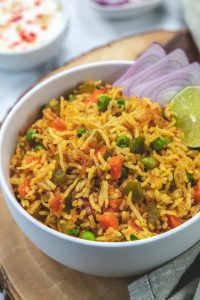
Tawa Pulao: A Comprehensive Recipe Tutorial
### Tawa Pulao: Mumbai’s Cherished Street Snack
Tawa pulao is a lively and tasty vegetarian rice dish that has established itself as a fundamental part of Mumbai’s street food culture. Cooked on a flat griddle referred to as a ‘tawa’, this dish is an enchanting blend of assorted vegetables and fragrant spices, making it a sought-after choice among both locals and tourists.
#### The Heart of Tawa Pulao
At its foundation, tawa pulao is a straightforward yet delectable dish that merges boiled rice with stir-fried vegetables and a distinctive spice mix known as pav bhaji masala. This spice combination, classically used in making pav bhaji, contributes a deep and aromatic flavor that is crucial to the dish. The cooking method consists of mixing the ingredients on a broad iron griddle, akin to the process used in preparing Chinese fried rice.
#### Components and Cooking Method
To prepare a genuine tawa pulao, the following ingredients are vital:
– **Boiled Rice**: Using leftover rice is ideal for a speedy meal.
– **Mixed Vegetables**: Typical selections include carrots, green peas, capsicum, potatoes, and cauliflower. Blanching the vegetables is crucial to maintain their crispiness.
– **Pav Bhaji Masala**: This spice blend is the essence of the dish, delivering richness and flavor.
– **Butter and Tomatoes**: These components enhance the pulao’s depth and taste.
– **Fresh Coriander Leaves**: For garnish and added vibrancy.
The cooking steps are simple. Start by sautéing the vegetables in butter, then add tomatoes and pav bhaji masala, followed by the boiled rice. For an additional punch, some recipes suggest using red chili paste, while Kashmiri chili powder can serve as a milder substitute.
#### Street Food Encounter
To fully grasp the taste of tawa pulao, one should explore the vibrant chaat stalls that adorn the streets of Mumbai, particularly near popular locations like Juhu Beach. These street vendors have mastered the craft of preparing tawa pulao, imbuing it with a distinctive flavor that is challenging to mimic at home. Nevertheless, with some guidance and the right ingredients, you can create a comparable experience in your own kitchen.
#### A Quick and Healthy Dish
Tawa pulao is not only scrumptious but also a nutritious choice, loaded with vegetables. It’s a fantastic option for children’s lunch boxes, offering a hearty and nourishing meal. Pair it with raita or yogurt for a well-rounded dining experience.
#### Conclusion
Tawa pulao is a treasure among Indian rice dishes, capturing the lively tastes of Mumbai’s street food heritage. Its simple preparation and versatility make it an essential dish for anyone aiming to delve into the rich culinary diversity of India. Whether savored from a street vendor or made at home, tawa pulao is guaranteed to please your palate.
Read More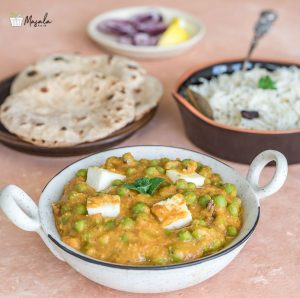
Recipe for Matar Paneer Khoya
### Khoya Matar Paneer: A Sumptuous North Indian Treat
Khoya matar paneer is a delightful vegetarian dish that captures the spirit of North Indian gastronomy. This rich curry is crafted using khoya, made from reduced milk solids, mixed with fresh green peas and tender paneer cubes. It serves as a perfect option for special events and festive occasions, making it a sought-after addition to holiday meal spreads.
#### The Ideal Companion
This luxurious curry complements a variety of Indian breads and rice dishes wonderfully. It is frequently enjoyed with tawa pulao and masala paratha, enriching the overall dining experience. The delicate, melt-in-your-mouth paneer simmers in a delicately spiced khoya-based sauce, resulting in an opulent dish reminiscent of restaurant-style servings.
#### Variants and Components
Khoya matar paneer is a twist on the beloved matar paneer recipe, which is cherished by home chefs. The dish is high in calories due to the presence of khoya and ghee (clarified butter). While convenient store-bought khoya can be used, those keen on preparing it from scratch can find numerous recipes online.
This dish is especially attractive to individuals adhering to Jain dietary practices, as it is made without onions and garlic. For those seeking a more robust flavor, incorporating a paste of blanched onions with ginger and green chili can elevate the dish’s richness. Alternatively, a cashew nut paste can be utilized to achieve a similar result without using onions.
#### Simple and Quick Preparation
Making khoya matar paneer is fairly easy, particularly if you have paneer and khoya on hand. The main preparation consists of blanching and pureeing tomatoes, which help create the silky texture and vibrant hue of the curry. Fresh green peas are preferable, especially during the winter season when they are at their best, although frozen peas serve as an acceptable alternative.
#### Serving Recommendations
Khoya matar paneer is noted for its luxuriously rich and creamy sauce, making it a soothing dish that pairs excellently with naan, roti, paratha, or any flavored rice like pulao or biryani. Its adaptability and rich flavors make it a favorite for many, ensuring its status as a staple in Indian culinary traditions.
#### Summary
To conclude, khoya matar paneer is a wonderful vegetarian curry that highlights the richness of North Indian cuisine. Its creamy consistency, combined with the sweetness of green peas and the tenderness of paneer, makes it a must-try for any occasion. Whether enjoyed at a festive celebration or as a comforting meal at home, khoya matar paneer is bound to impress.
Read More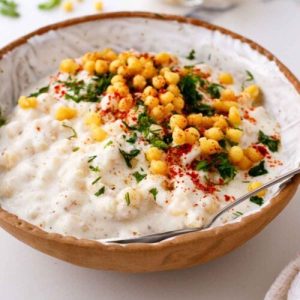
Recipe for Boondi Raita
### Boondi Raita: A Tasty Yogurt-Based Side Dish
Boondi raita is an easy yet tasty yogurt-based accompaniment that enhances various Indian meals, especially flavored rice dishes like pulao, jeera rice, and stuffed parathas such as aloo paratha. This dish is a fundamental part of North Indian cuisine and is frequently served as a cooling side or salad.
#### What is Boondi Raita?
Boondi raita features boondi, which are tiny, round, crispy spheres made from chickpea flour, blended with yogurt and spices. Raita, overall, is a vital aspect of Indian feasts, offering a cooling sensation and balancing the spices in the main courses. While onion or onion-tomato raita and cucumber raita are prevalent, boondi raita is distinctive due to its special texture and taste.
In South Indian cooking, raita is known as pachadi, which commonly involves seasoning with spices like mustard seeds, asafoetida, dry red chilies, and fresh curry leaves.
#### Ingredients and Preparation
Boondi raita is one of the simplest raita recipes to make. The main component, boondi, can be prepared at home or bought from shops. Many stores provide spiced or kara boondi, but it’s crucial to use plain, unseasoned boondi for raita.
To create boondi raita, typically follow these steps:
1. **Prepare the Yogurt**: Utilize thick, well-set yogurt. If the yogurt is too watery, strain it for a few minutes.
2. **Mix Ingredients**: Combine the boondi with the yogurt and season with spices such as roasted cumin powder, black salt, red chili powder, and fresh herbs like mint or coriander.
3. **Chill and Serve**: Let the mixture chill for a few minutes to allow the boondi to absorb the flavors before serving.
Some chefs choose to soak the boondi in warm water before mixing, but this can lessen the flavor. Instead, incorporating crisp boondi directly into the seasoned yogurt results in a more flavorful raita.
#### Serving Suggestions
Boondi raita pairs wonderfully with North Indian dishes like parathas and pulaos. It is especially delightful when served with tawa pulao or masala paratha, enhancing the overall dining experience with its creamy consistency and spicy nuances.
#### Conclusion
Boondi raita is not just a delicious side but also a versatile dish that can enhance any meal. Its simple preparation and the ability to adjust flavors make it a beloved choice in many households across India. Whether enjoyed as an accompaniment or a refreshing salad, boondi raita is a must-try for anyone aiming to delve into the rich flavors of Indian cooking.
Read More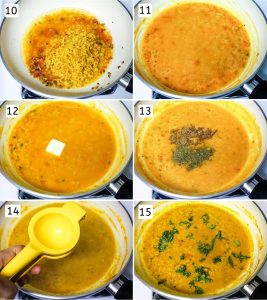
How to Make Urad Dal: A Step-by-Step Guide
### Urad Dal Recipe: A Tasty North Indian Dish
Urad dal, commonly known as split black gram, is a key ingredient in North Indian cooking. This wholesome lentil is high in protein and dietary fiber, making it a nutritious component of any meal. Often called dhuli dal, dhuli urad, or maa ki dal, it enjoys great popularity in Hindi-speaking areas and regions like Punjab.
#### Nutritional Advantages
Urad dal is not only appetizing but also loaded with health advantages. It boasts a high protein and dietary fiber content, making it a fantastic option for vegetarians. When prepared, urad dal has a sticky consistency and is denser compared to other lentils like tur dal and moong. This distinct texture and taste make it a preferred choice in numerous recipes.
#### Cooking Techniques
There are various methods for preparing urad dal. Traditional practices include slow cooking over a wood fire, which gives the dish a smoky taste reminiscent of dhaba-style cuisine. This approach ensures the dal cooks uniformly while preserving its shape and reducing slime. For those pressed for time, pressure cooking serves as an effective alternative. To lessen slime, it is recommended to dry roast the urad dal on low heat for about five to six minutes prior to pressure cooking.
#### Recipe Summary
The recipe for urad dal is simple and can be modified to meet individual tastes. Here’s an easy method to create this soothing dish:
**Ingredients:**
– 1 cup urad dal (split black gram)
– 2 tablespoons ghee (clarified butter) or oil
– 1 teaspoon cumin seeds
– 1 onion, finely chopped
– 2-3 green chilies, slit
– 1 teaspoon ginger-garlic paste (optional)
– Salt to taste
– Fresh coriander leaves for garnish
**Instructions:**
1. **Preparation:** Thoroughly rinse the urad dal and soak it in water for a minimum of 30 minutes.
2. **Cooking the Dal:** Drain the soaked dal and add it to a pressure cooker with sufficient water. Cook for about 3-4 whistles or until soft.
3. **Tempering:** In another pan, heat ghee or oil. Add cumin seeds and let them splutter. Then incorporate chopped onions and green chilies, sautéing until the onions become golden brown.
4. **Combine:** Stir the cooked urad dal into the pan, mixing thoroughly. Season with salt and simmer for a few minutes to meld the flavors.
5. **Garnish:** Top with fresh coriander leaves and serve warm.
#### Serving Ideas
Urad dal complements a variety of Indian breads such as roti, paratha, or naan. It can also be enjoyed with rice for a complete meal. For a full spread, consider serving it with masala paratha, tawa pulao, and boondi raita.
#### Conclusion
Urad dal is a straightforward yet delicious dish that captures the spirit of North Indian cuisine. Its rich flavor and health benefits make it an ideal option for a comforting vegetarian dish. Whether savored on special occasions or included in your daily meals, urad dal is bound to delight your palate.
Read More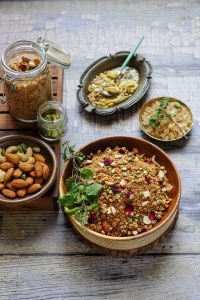
How to Prepare Panjiri: A Detailed Recipe Guide
### Panjiri Recipe: An Authentic Indian Sweet for New Mothers
Panjiri is a beloved Indian confection primarily crafted from whole wheat flour (atta) and enjoys particular popularity in the Northern regions of India, notably Punjab. This wholesome treat is frequently made as prasad during celebrations such as Janmashtami and is also a customary offering during the Satyanarayana pooja. In Pakistan, it is referred to as Hyderabadi panjeeri and holds a favored spot as a winter delight among many.
#### Ingredients
The fundamental components for panjiri consist of:
– Whole wheat flour (atta)
– Sugar
– Nuts (almonds, pistachios)
– Green cardamom
– Desi ghee (clarified butter)
Variations of panjiri may feature:
– Dry fruit panjiri
– Dhania (coriander) panjiri
– Methi (fenugreek) panjiri
– Semolina panjiri
Each household might have its individual spin on the recipe, often shaped by local tastes and family preferences.
#### Health Benefits
Panjiri offers notable advantages for new mothers. It is commonly served with warm milk post-delivery, supplying vital nutrients to aid in regaining strength and facilitating recovery. The health properties of panjiri include:
– Warming effects that assist in digestion
– Enhanced lactation for breastfeeding mothers
The recipe can also introduce spices such as dry ginger (saunth), fennel seeds, black peppercorns, poppy seeds, edible gum (gond), and ajwain, enriching its nutritional value.
For children, panjiri can be modified by leaving out specific spices that might elevate body heat. Instead, flavoring with fennel seeds and cardamom powder transforms it into a healthful treat, especially in winter.
#### Preparation
To create panjiri, roast the whole wheat flour in ghee until it achieves a golden hue, filling the atmosphere with a wonderful fragrance. The nuts and spices are then incorporated, and sugar is mixed in to form a sweet, nutrient-dense combination.
Panjiri boasts a shelf life of around 45 days, and refrigeration can extend its freshness. This makes it a perfect snack for families to relish during the chilly season.
#### Variations and Personal Touches
Numerous home chefs elevate their panjiri by including roasted and ground makhana (lotus seeds) and magaz (melon seeds). Certain variations might add dried coconut for extra flavor. Each recipe showcases the chef’s unique flair, making every batch of panjiri distinctive.
#### Conclusion
Panjiri transcends being merely a sweet; it embodies nourishment and care, particularly for new mothers. Whether crafted for festivals or enjoyed as a daily indulgence, this wholesome meal is a wonderful inclusion in any home. For those pressed for time, ready-made options like Bikanervala panjeeri laddoo provide a convenient substitute, yet nothing can match the rich, aromatic essence of homemade panjiri.
Embrace this genuine panjiri recipe in your festive planning and savor the warmth and richness it contributes to your gatherings.
Read More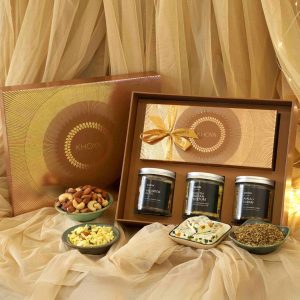
How to Prepare Besan Ladoo: An Illustrated Guide
### Besan Ladoo Recipe: A Gluten-Free Traditional Indian Delight
Besan ladoo is a beloved traditional Indian sweet, frequently made during festivities such as Diwali and Ganesh Chaturthi. This delightful confection, crafted from chickpea flour (referred to as ‘besan’ in Hindi) and ghee, is not only gluten-free but also rich in flavor and nutrition. Its vibrant, yellow color and melt-in-your-mouth texture render it a favorite for many, making it an ideal offering during religious occasions or simply as a sweet treat.
#### Health Advantages of Besan
Chickpea flour, the main component in besan ladoo, is well-known for its health advantages. It boasts high levels of protein and folate, has a low glycemic index, and is gluten-free, making it a fantastic choice for individuals with dietary restrictions. The consumption of besan is particularly recommended for pregnant women, as it aids in the prevention of birth defects affecting the brain and spinal cord. Many expecting mothers savor besan ladoo as a healthy sweet treat during their cravings.
#### Regional Popularity
Though besan ladoo is especially favored in North India, it is also widely relished in Maharashtra and southern regions of India. There are various techniques to prepare this sweet, with some recipes requiring sugar syrup, which can be daunting for new cooks. The North Indian and Maharashtrian varieties of besan ladoo, however, are easier and do not involve this extra step, making them suitable for novice cooks.
#### Ingredients and Methodology
The process of making besan ladoo is simple and does not necessitate creating sugar syrup. The main steps include:
1. **Roasting the Besan**: Start by roasting the chickpea flour in ghee on low heat. This step is vital as it enhances the flavor of the ladoo. Continuous stirring is crucial to avoid burning, and the besan should be roasted until it releases a fragrant scent.
2. **Combining Ingredients**: Once roasted, let the besan cool before incorporating powdered sugar, coarsely crushed nuts, and cardamom powder for added flavor.
3. **Binding the Mixture**: If the mixture appears too dry and fails to hold together, warm ghee can be added gradually to assist in binding the ladoos. Alternatively, warm milk can be used, but this may shorten the ladoos’ shelf life.
4. **Shaping the Ladoos**: Shape the mixture into small, round balls, ensuring they are dense and well-formed.
#### Tips for Ideal Besan Ladoo
– Use coarser besan (mota besan) for enhanced texture.
– Make sure the besan is roasted thoroughly to avoid any raw flavor.
– Opt for pure desi ghee for an authentic taste.
– If incorporating khoya (reduced milk solids), refrigerate the ladoos within 24 hours for best freshness.
#### Shelf Life
Generally, besan ladoo can be stored for up to two weeks at room temperature. However, if milk is added, the shelf life decreases, requiring refrigeration.
#### Conclusion
Besan ladoo is an uncomplicated yet delectable gluten-free treat that demands few ingredients, making it suitable for both seasoned cooks and novices. Its rich taste and health benefits make it a cherished delicacy during festivals and special events. For those interested in exploring variations, countless recipes are available online, including those from prominent chefs and culinary sites. Enjoy preparing this delightful sweet and sharing it with loved ones during festive occasions!
Read More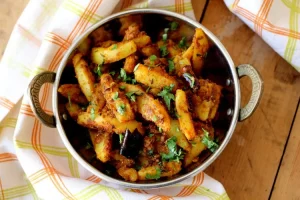
Pahari Aloo Dish: Classic Method for Aloo Gutke
### Pahari Aloo Recipe: A Tasty Potato Fry from Uttarakhand
Pahari aloo, often referred to as aloo gutke, is a scrumptious and straightforward potato fry that hails from the mountainous regions of Uttarakhand, India. The word “Pahari” signifies the inhabitants of the hills, and their culinary traditions portray the straightforwardness and genuineness of their way of life. This dish is a fundamental part of the pahari community and is adored for its rustic flavors and simplicity in preparation.
#### Culinary Tradition of the Pahari Community
The pahari culinary tradition is primarily categorized into two regional styles: Garhwali and Kumaoni. Both styles are recognized for their hearty, wholesome recipes that focus mainly on plant-based components. Staples consist of cereals, legumes, and leafy greens, with popular dishes like mandua (finger millet rotis), kandali saag (nettle leaves), and kafuli (spinach dish). The pahari food culture prioritizes healthy eating, frequently utilizing local herbs and spices that elevate the flavors of their meals.
#### Distinct Ingredient: Jakhiya
A distinctive element in pahari culinary practices is jakhiya, a spice indigenous to the Himalayan region. Similar to mustard seeds, jakhiya boasts a distinctive, crunchy flavor that enriches dishes. It is commonly utilized in tempering, especially in recipes like aloo gutke, where it complements the rustic taste of potatoes. Traditional cooking methods frequently incorporate mustard oil or ghee, which further enhances the flavor of the dish.
#### The Modest Potato: Pahadi Aloo
The potato, called “pahadi aloo,” serves as a crucial ingredient in this dish. Cultivated plentifully in the hilly areas, pahadi aloo is noted for its superior flavor compared to those from the plains. Aloo gutke is a no-onion, no-garlic preparation that is simple to make and is often relished as a snack or side dish. It is especially favored during the winter season, providing warmth and comfort.
#### Recipe: How to Prepare Pahari Aloo (Aloo Gutke)
**Ingredients:**
– 4 medium-sized pahadi potatoes (or regular potatoes)
– 2 tablespoons mustard oil
– 1 teaspoon jakhiya
– 1 teaspoon cumin seeds
– 2 dried red chilies
– Salt to taste
– Fresh coriander leaves for garnish (optional)
**Instructions:**
1. **Preparation of Potatoes:** Boil the potatoes until they are tender. Once cooked, peel and slice them into thin lengthwise pieces or cubes.
2. **Tempering Spices:** In a skillet, heat mustard oil over medium heat. Add the jakhiya and cumin seeds, letting them sizzle.
3. **Cooking Potatoes:** Incorporate the dried red chilies and sauté briefly. Then, add the boiled potatoes to the skillet. Season with salt to taste and mix thoroughly.
4. **Sautéing:** Cook the potatoes on a low flame, stirring occasionally, until they become soft and slightly crispy, around 5-7 minutes.
5. **Serving:** If desired, garnish with fresh coriander leaves. Serve hot with roti, puri, or as a standalone snack.
#### Conclusion
Pahari aloo, or aloo gutke, transcends mere potato fry; it symbolizes the culinary heritage of the pahari community. Its simplicity, paired with the distinctive flavors of local spices, makes it a cherished dish in Uttarakhand. Whether served as a side dish or a snack, pahari aloo stands as a comforting and tasty addition to any meal, encapsulating the essence of mountain cuisine.
Read More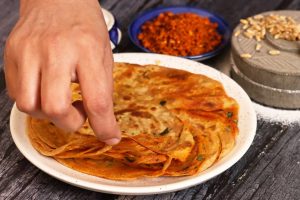
Reciped for Masala Paratha
### Masala Paratha Recipe: A Delectable Indian Flatbread
Masala paratha is a flavored twist on the classic Indian paratha, elevating the ordinary flatbread into an enjoyable gastronomic delight. Crafted from whole wheat flour, desi ghee, and a mix of fragrant Indian spices and herbs, masala paratha is light yet full of taste, making it an ideal complement to any dish.
#### Ingredients
– **Whole Wheat Flour**: 2 cups
– **Desi Ghee**: 3-4 tablespoons (for dough and frying)
– **Spice Mix**:
– Fennel Seeds: 1 teaspoon
– Coriander Powder: 1 teaspoon
– Cumin Powder: 1 teaspoon
– Red Chili Powder: ½ teaspoon (adjust as per preference)
– Turmeric Powder: ¼ teaspoon
– Salt: as needed
– **Fresh Herbs**:
– Fresh Coriander: 2 tablespoons, chopped
– Fresh Mint: 2 tablespoons, chopped
– **Optional Add-ins**:
– Crushed Roasted Peanuts or Sesame Seeds: for texture
– Grated Cheese: for a cheesy option
– Dried Fenugreek Leaves (Kasuri Methi): for extra flavor
#### Preparation Methods
Two approaches can be used to prepare masala paratha:
1. **Spice Paste Method**:
– Blend all the spice powders in melted ghee.
– Spread this mixture over the round paratha dough.
– Roll the paratha, coil it, and then flatten it into a round shape.
2. **Layering Method**:
– Roll out the paratha dough.
– Apply a layer of ghee on the rolled dough.
– Sprinkle the spice mix and herbs on the surface.
– Roll it up and flatten it into a round paratha.
Both techniques provide tasty outcomes, allowing you to select one based on your liking.
#### Cooking Instructions
1. **Prepare the Dough**:
– In a mixing bowl, combine whole wheat flour and salt. Gradually add water to create a soft dough. Let it rest for 15-20 minutes.
2. **Prepare the Spice Mix**:
– In a small bowl, mix the spice powders, fresh coriander, and mint. If desired, add crushed peanuts or sesame seeds.
3. **Roll the Parathas**:
– Divide the dough into equal sections. Roll each piece into a ball and slightly flatten it.
– Select your chosen method (spice paste or layering) to incorporate the spice mix into the dough.
4. **Cook the Parathas**:
– Heat a tawa (griddle) over medium heat. Place the rolled paratha on the hot surface.
– Cook for 1-2 minutes until small bubbles arise, then flip it over.
– Brush ghee on both sides and cook until golden brown and crisp.
5. **Serve**:
– Serve hot with yogurt, raita, or any curry you prefer. Masala paratha goes excellently with dishes like aloo gutke, urad dal, or khoya matar paneer.
#### Serving Suggestions
Masala paratha is versatile and suitable for breakfast, lunch, or dinner. It can be enjoyed as part of a North Indian thali alongside dal, sabzi, and raita. For a quick lunch box option, it pairs nicely with a side of yogurt or a simple salad.
#### Conclusion
Masala paratha is more than just a meal; it’s an experience infused with rich tastes and fragrances. Whether you are making it for a family dinner or serving it to guests, this delightful flatbread will certainly leave an impression. With its straightforward preparation and customizable spice blend, masala paratha is an essential recipe for anyone eager to delve into the delicious realm of Indian cuisine.
Read More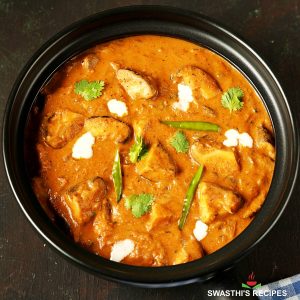
Recipe for Masala Mushrooms
### Mushroom Masala Recipe: An Enchanting Restaurant-Style Indian Gravy Dish
Mushroom masala is a soothing and tasty Indian gravy dish that has become extremely popular in eateries throughout India. This recipe is not just straightforward to make but also utilizes everyday ingredients, making it favorable for beginner cooks and those with hectic schedules. Commonly paired with chapathi, lachcha paratha, or pulao, mushroom masala is celebrated for its creamy texture and mouthwatering flavor.
#### Ingredients
– 250 grams of sliced mushrooms
– 2 medium onions, diced
– 1 tablespoon ginger, finely chopped
– 1 tablespoon garlic, finely chopped
– 2 green chilies, halved
– 2 medium tomatoes, blanched and blended
– 1/4 cup cashew nuts, soaked in warm milk
– 1 teaspoon black pepper
– 2-3 cloves
– 1 small stick of cinnamon
– Fresh coriander leaves for decoration
– Salt as needed
– Oil or ghee for frying
#### Instructions
1. **Base Preparation:**
– Heat oil or ghee in a skillet. Sauté diced onions, minced ginger, garlic, and green chilies until the onions attain a golden hue.
– Let this mixture cool a bit before grinding it into a smooth paste.
2. **Cooking the Gravy:**
– In the same skillet, add the ground paste and fry for several minutes until the raw aroma fades.
– Incorporate the blanched tomato puree and cook until the oil begins to separate from the mixture.
3. **Spice Addition:**
– Add the dry roasted spices: black pepper, cloves, and cinnamon. Combine thoroughly.
– Introduce the sliced mushrooms and mix to coat them in the masala. Cook for approximately 5-7 minutes until the mushrooms soften.
4. **Achieving Creaminess:**
– Blend the soaked cashew nuts with a bit of milk to create a smooth paste. Stir this into the mushroom mixture, mixing well to combine.
– Adjust the seasoning with salt and allow it to simmer for a few more minutes.
5. **Final Touch:**
– Finally, top with freshly chopped coriander leaves for enhanced flavor and visual appeal.
#### Serving Recommendations
Mushroom masala complements a variety of Indian breads such as chapathi, naan, or lachcha paratha. It can also be served with flavored pulao or biryani, making it an adaptable dish for any occasion.
#### Conclusion
Mushroom masala is a delightful vegetarian option that is sure to amaze with its rich tastes and creamy consistency. Its ease of preparation makes it an essential recipe for anyone wishing to delve into Indian cuisine. Whether you adore mushrooms or are simply searching for a comforting curry, this dish is destined to become a staple in your kitchen. Relish the warmth and pleasure found in every spoonful of this exquisite mushroom masala!
Read More