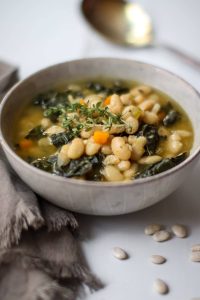
Protein-Rich and Fiber-Full Kale, Sausage, and White Bean Soup
**Protein-Rich and Fiber-Packed Kale, Sausage, and White Bean Soup: A Healthy Treat**
Kale, sausage, and white bean soup is a fulfilling and healthy dish that merges the rich flavors of savory sausage with the earthy notes of kale and the creamy consistency of white beans. This soup is not only flavorful but also brimming with high protein and fiber, making it a superb option for a fulfilling meal that enhances a healthy lifestyle.
**Health Advantages**
1. **High Protein Level**: The addition of sausage in this soup offers a substantial source of protein, vital for tissue building and repair, enzyme and hormone production, and supporting various bodily functions. Depending on the sausage type, such as chicken or turkey, the protein content can be adjusted to align with dietary choices and requirements.
2. **Abundant in Fiber**: White beans serve as a great source of dietary fiber, which is important for maintaining good digestion, managing blood sugar levels, and promoting satiety. Fiber also contributes to lowering cholesterol levels and mitigating the risk of heart disease.
3. **Vitamins and Minerals**: Kale is a nutrient-rich leafy vegetable that provides a variety of vitamins and minerals, including vitamins A, C, and K, along with calcium and potassium. These nutrients aid in bone health, immune system support, and overall physical wellness.
**Ingredients and Method**
To create a tasty kale, sausage, and white bean soup, gather the following items:
– 1 pound of sausage (chicken, turkey, or pork)
– 1 tablespoon of olive oil
– 1 onion, diced
– 2 cloves of garlic, minced
– 4 cups of chicken or vegetable broth
– 2 cans of white beans, drained and rinsed
– 1 bunch of kale, stems removed and leaves chopped
– Salt and pepper to taste
– Optional: red pepper flakes for extra spice
**Steps**:
1. In a large pot, warm the olive oil over medium heat. Add the sausage and cook until browned, breaking it apart into smaller pieces as it cooks.
2. Toss in the diced onion and minced garlic to the pot, sautéing until the onion is translucent.
3. Pour in the chicken or vegetable broth, bringing the mixture to a gentle simmer.
4. Stir in the white beans and chopped kale, mixing thoroughly. Season with salt, pepper, and optional red pepper flakes.
5. Let the soup simmer for approximately 15-20 minutes, or until the kale is softened and the flavors have blended.
6. Serve warm, topped with freshly grated Parmesan cheese if desired.
**Final Thoughts**
Kale, sausage, and white bean soup is a flexible and nourishing meal that can be easily modified to match various dietary preferences. Whether savored as a cozy winter dish or a healthy option all year, this soup presents a delightful mix of flavors and health advantages. Its high protein and fiber content make it a perfect selection for those aiming to keep a balanced diet while indulging in a flavorful and satisfying meal.
Read More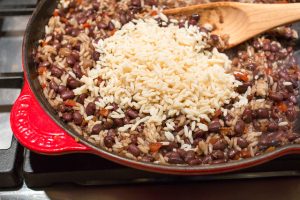
Robust Black Beans and Rice Meal
Alex & Sonja: The Culinary Team Behind A Couple Cooks
Introducing Alex and Sonja Overhiser, the vibrant couple responsible for the well-loved culinary site, A Couple Cooks. As authors of two celebrated cookbooks and active parents, Alex and Sonja have perfected the skill of harmonizing family life with their mutual enthusiasm for cooking. Their adventure commenced in 2010 when they established A Couple Cooks, a platform aimed at sharing uncomplicated, seasonal recipes and the joy of cooking with a broader community.
Their website has transformed into an extensive hub for food lovers, providing thousands of unique recipes, cooking advice, and meal planning suggestions. Each recipe is carefully designed and photographed by Alex and Sonja, ensuring a personal touch and reflecting their collaborative nature. Their culinary innovations are not only tested by their family but are also crafted to motivate home cooks to enjoy the experience of making meals from scratch.
Alex and Sonja’s cooking philosophy is grounded in simplicity and seasonal ingredients, highlighting the use of fresh, nutritious components. Their recipes accommodate a broad spectrum of dietary needs and cooking skills, making them available to both beginners and seasoned chefs. From speedy weeknight meals to impressive weekend banquets, A Couple Cooks provides a variety of options for everyone.
In addition to recipes, Alex and Sonja share useful cooking advice and meal planning strategies, assisting their audience in optimizing their kitchen routines and maximizing their time. Their commitment to nurturing a love for cooking shines through in every facet of their work, from the captivating content on their website to the elegantly photographed dishes that spark culinary imagination.
As a real-life couple who prepares meals together, Alex and Sonja represent the spirit of cooperation and partnership in the kitchen. Their journey is a reflection of the strength of common interests and the joy that arises from crafting delightful meals together. Through A Couple Cooks, they keep motivating countless individuals to delve into the culinary world and uncover the fulfillment that comes from preparing meals with affection and attention.
Read More
Crockpot Meatballs in Tomato Sauce Recipe
# Crockpot Meatballs in Hearty Tomato Sauce
These crockpot meatballs cook slowly in a hearty tomato sauce, turning basic ingredients into a tender, flavor-filled comfort dish with little effort. Ideal for hectic weeknights or gatherings, this recipe is bound to please everyone.
## Flavor Profile
Succulent and moist, these meatballs are imbued with traditional Italian seasonings, simmered in a flavorful, garlicky tomato sauce that adds a cozy element to any meal.
### Recommended Tools
– A small cookie scoop guarantees consistent meatball size for even cooking.
### Serving Suggestions
Present these meatballs atop spaghetti, polenta, or in toasted meatball subs. Serve alongside homemade garlic bread and a classic Caesar salad for a complete dining experience.
## Best Ingredients for Meatballs
– **Ground Beef**: Lean ground beef avoids greasiness. For a more robust option, consider a beef-and-pork mix or replace half with Italian sausage for enhanced flavor. If opting for ground turkey or chicken, add a tablespoon of milk for extra tenderness.
– **Bread Crumbs**: Fine breadcrumbs effectively bind the meatballs. Gluten-free crumbs or crushed crackers can serve as substitutes.
– **Sauce**: Select a marinara or pasta sauce that you love, preferably one enriched with garlic and basil for an authentic Italian flavor.
– **Seasonings**: Add Italian seasoning to the slow cooker to elevate the taste.
– **Variations**: For a more concentrated sauce, mix in a spoonful of tomato paste towards the end of cooking or incorporate a Parmesan rind while simmering, removing it prior to serving.
## How to Cook Meatballs in the Crockpot
1. Mix meatball ingredients and shape into balls (full recipe follows).
2. Arrange meatballs in the crockpot and cover with sauce.
3. Cook until meatballs achieve an internal temperature of 160°F and the sauce is bubbling.
### Tips for Cooking
– Combine ingredients gently to preserve tenderness.
– Keep the lid on to ensure even cooking.
– An instant-read thermometer can verify doneness.
– To prep in advance, freeze formed meatballs on a tray, then place in a freezer-safe bag. Cook from frozen, allowing extra time as required.
## Storing and Reheating Tips
Store cooled meatballs in an airtight container in the refrigerator for up to 4 days, or freeze in meal-sized portions for up to 3 months.
To reheat:
– On the stovetop: Heat over medium-low, periodically stirring the sauce.
– In the microwave: Use short intervals, stirring in between.
– In the slow cooker: Reheat on low, stirring occasionally, adding a splash of water if needed to thin the sauce.
### FAQs
– **Can I place raw meatballs directly into the slow cooker?** Yes, they will cook fully in the sauce.
– **Can I use precooked or frozen meatballs?** Yes, frozen meatballs will require more time to heat thoroughly.
– **Can I cook these meatballs on low in the slow cooker?** Yes, cook on low for 6 to 7 hours or high for 3 to 4 hours.
## More Meatball Favorites
Discover more mouthwatering meatball recipes to satisfy your cravings.
### Recipe Overview
– **Servings**: 8
– **Prep Time**: 10 minutes
– **Cook Time**: 3-4 hours
– **Total Time**: 3 hours 10 minutes
### Ingredients
#### For the Sauce
– Marinara or pasta sauce of your choosing
### Instructions
1. Spray the slow cooker with cooking spray.
2. Mix all meatball ingredients in a bowl. Form 24 meatballs and arrange them in the slow cooker.
3. Combine all sauce ingredients in a large bowl. Pour over the meatballs and cook on high for 3-4 hours.
4. Serve over pasta.
### Notes
Store leftovers in an airtight container in the refrigerator for up to 4 days and in the freezer for up to 3 months.
Savor this simple and comforting crockpot meatball recipe that brings the essence of Italy to your dining table!
Read More
Crafting a Petite Sourdough Starter and Baking a Tiny Sourdough Loaf: A Manual for Small Batch Baking
# I’m Confident That Anyone Who Has Enjoyed a Truly Great Sourdough Has Considered Baking Sourdough at Home
Are you someone who enjoys sourdough? A while back, I wasn’t fond of it. This was during a time when people’s sourdough loaves were actually sour. Artisan bread has evolved significantly since then, and now sourdough is intricate, robust, and genuinely delicious.

## What is Sourdough?
Sourdough is a broad term for bread created using a wild yeast starter instead of commercial yeast. Despite its name, not every sourdough is sour. Sourdough starter can be utilized for various yeasted breads: sourdough cinnamon rolls, babka, and essentially anything that uses yeast can be made with sourdough.
## What is Yeast and What Makes it Wild?
Yeast are the tiny buddies that enliven your bread! Yeast is responsible for making breads airy and soft. It consumes the sugars found in flour and produces carbon dioxide, which causes bread to rise. Wild yeast is omnipresent around us. It exists in the air, in flours, on trees, on fruits; it’s everywhere.

## What Can I Bake With My Yeast/Sourdough Starter?
You can use sourdough starter/yeast to bake virtually anything! Sourdough bread, naturally, but also items like pizza dough, focaccia, artisanal loaves, sandwich bread, baguettes, pretzels, doughnuts, and the possibilities are endless. Anything that involves yeast is fair game.
## What About Sourdough Discard?
When you nourish your sourdough (more on that later), you will need to remove some of the sourdough mixture; otherwise, you’ll accumulate too much sourdough. The portion you remove is referred to as “discard.”
## What Can I Create With Sourdough Discard?
With a sourdough starter, there will always be discard; otherwise, you’ll end up with a massive quantity of active sourdough starter that could take over your kitchen. Even with a compact sourdough starter, discard will occur. However, the good news is that there are numerous delightful things you can prepare with it: pancakes, waffles, English muffins, crumpets, popovers/Yorkshire puddings, cake, banana bread, quick breads, crackers, muffins, corn bread, naan.
## Why You Should Create a Small Sourdough Starter
Currently, flour is a prized item. Since there will inevitably be sourdough discard, the wisest choice if you wish to bake sourdough is to create a small sourdough starter. Having a smaller starter leads to less discard and reduces the amount of flour required for feeding. A small starter will be more than adequate for a home baker to produce multiple loaves of bread because you can use your starter to generate a levain, which is an extension of your starter. The best part is that you won’t need a substantial amount of flour at the outset. It’s a low-investment, compact starter.
## How to Develop a Small Batch of Sourdough Starter
### What You Need
1. **Flour** – Starting a sourdough starter is simpler with freshly milled flour, but all-purpose flour will work fine too. If you happen to have whole wheat or rye flour available, a 50/50 blend of flours is optimal.
2. **Water** – Filtered room temperature water or tap water left out overnight to allow any chlorine to dissipate.
3. **A container** – A small, tall, straight-sided glass container is ideal so you can monitor exactly how much your starter expands and when it requires feeding. You’ll need a jar with a lid, but don’t secure the lid too tightly to allow gases to escape.
4. **Kitchen Scale** – A kitchen scale will ensure precision and assist you in baking uniform loaves.
5. **Rubber spatula** – While this isn’t strictly necessary, it makes mixing your starter and scraping the sides of your container much more convenient.
### Day 1
In the morning, prepare a flour mixture to nourish your starter: Take an empty container and combine 200 grams of all-purpose flour with 200 grams of rye or whole wheat flour. Set it aside. Place your jar on the kitchen scale and tare it (that is, subtract the weight of the jar).
Read More