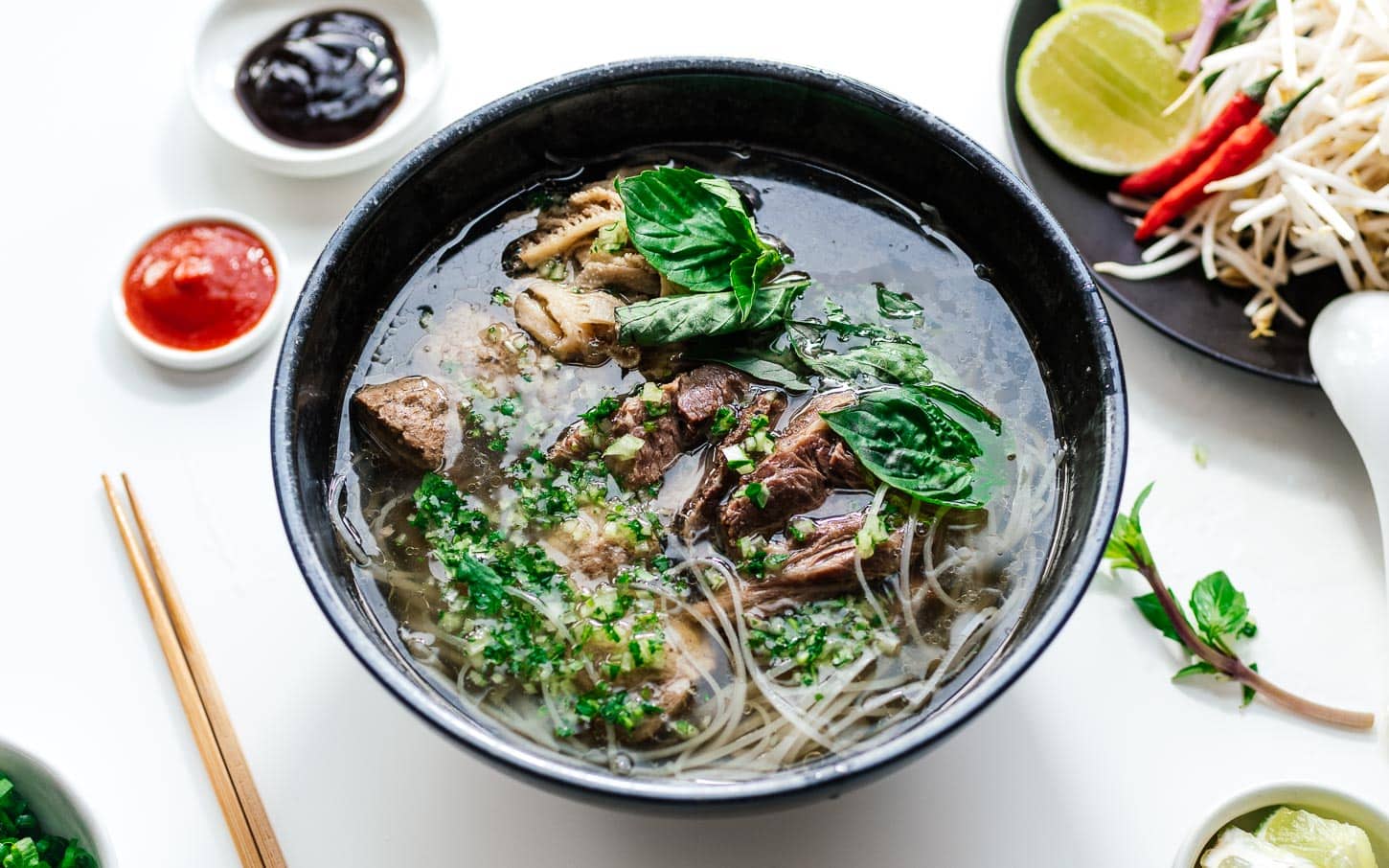
# Pho: Possibly the World’s Most Adored Soup
Pho, a classic Vietnamese soup, has won the affection and taste buds of individuals globally. Renowned for its fragrant broth, tender meats, and fresh herbs, pho transcends a simple meal; it offers an experience rich in culture and history. This article examines the essence of pho, detailing its ingredients, cooking methods, and the factors contributing to its extensive appeal.
## What is Pho?
Pho is a delicious soup featuring a clear broth, rice noodles (bánh phở), and a variety of meats, usually beef or chicken. The dish is often topped with fresh herbs, bean sprouts, lime, and chili peppers. While pho can be prepared with various proteins, beef pho (phở bò) is the most prevalent type, noted for its deep and fragrant broth.
### The Broth
The core of pho lies in its broth, traditionally prepared by simmering beef bones, spices, and flavorings for hours. The secret to an exceptional pho broth is the flavor balance, achieved through the meticulous selection and preparation of ingredients. Charred onions, ginger, star anise, cinnamon, and cloves are vital for crafting the signature flavor of pho.
#### Bones vs. Meat
Historically, pho broth is made with bones that impart a profound flavor and richness. However, many contemporary recipes incorporate less expensive cuts of meat, like brisket or rib meat, to improve the broth’s taste without the necessity for extended cooking times.
### Aromatics and Spices
Charred aromatics are essential for an authentic pho experience. Charring onions and ginger enhances their sweetness and adds complexity to the broth. Frequently used spices in pho include star anise, cinnamon, cloves, and coriander seeds, each enhancing the soup’s intricate flavor profile.
### Seasoning
Pho is seasoned with fish sauce, rock sugar, and occasionally MSG to achieve a balance of savory, sweet, and umami flavors. While the use of fish sauce is traditional, some opt for salt for a more straightforward taste. The broth is commonly adjusted to personal preference, ensuring it is rich and delectable.
## Pho Noodles
The noodles utilized in pho are generally made from rice and come in various thicknesses. Fresh noodles are preferred, although dried noodles can also work. The noodles are briefly blanched before being incorporated into the soup, allowing them to soak up the broth’s flavors.
## Meats
Pho can be garnished with an assortment of meats, including:
– **Sirloin**: Thinly sliced and cooked in the steaming broth.
– **Brisket**: Tender and flavorful, usually added to the soup during cooking.
– **Meatballs**: Bouncy and dense, offering a distinctive texture.
– **Tripe and Tendon**: Chewy and rich in flavor, adding depth to the dish.
## Toppings and Garnishes
A bowl of pho is generally served with a platter of fresh toppings, including:
– **Thai basil**: Adds a fragrant, herbal touch.
– **Bean sprouts**: Offer crunch and freshness.
– **Lime wedges**: Contribute acidity and brightness.
– **Chilies**: For those who appreciate a spicy kick.
– **Sliced onions and cilantro**: Critical for flavor and presentation.
## How to Make Pho
### Ingredients
– **For the Broth**: Beef bones, star anise, cinnamon, ginger, onions, fish sauce, rock sugar, and water.
– **For the Soup**: Rice noodles, sirloin, brisket, meatballs, and optional toppings.
– **Garnishes**: Fresh herbs, lime, bean sprouts, and sauces like sriracha and hoisin.
### Preparation Steps
1. **Char Aromatics**: Char the onions and ginger to enhance their flavors.
2. **Simmer Broth**: Combine bones, spices, and water in a pot or pressure cooker. Simmer for several hours or use an Instant Pot for a quicker version.
3. **Prepare Noodles**: Blanch the rice noodles and rinse them to prevent sticking.
4. **Assemble Bowls**: Place noodles in bowls, add sliced meats, and ladle hot broth over the top.
5. **Garnish**: Serve with fresh herbs and condiments on the side.
## Conclusion
Pho is more than just a soup; it is a cultural symbol that unites people. Its rich flavors, comforting heat, and customizable nature render it a cherished dish globally. Whether savored in a lively restaurant or prepared at home, pho continues to bring joy and satisfaction to many. With its unique combination of ingredients and cooking methods, pho stands as a testament to Vietnam’s culinary heritage.