
Simple Dough Recipe for an At-Home Pizza Evening
# Simple Pizza Dough Recipe
This simple Pizza Dough Recipe yields two homemade crusts using a straightforward mix of yeast, flour, water, olive oil, sugar, and salt, kneaded until smooth and elastic. After a brief rise, the dough is set to be shaped, topped with your chosen ingredients, and baked into a golden, tasty pizza.
## Recipe Highlights: The Ultimate Homemade Pizza Dough
– **Taste:** This flavorful pizza crust bakes into a light and fluffy texture with a soft, springy crumb, perfect thickness to support your beloved toppings, and a delightful, golden chew!
– **Reason to Prepare:** One batch results in two pizza crusts, allowing you to freeze one for future use. It’s ideal for making homemade calzones or an effortless stromboli.
– **Preparation Tip:** Allow the cold dough to rest at room temperature before shaping so it can stretch easily without bouncing back.
**Total Duration:** 1 Hr 19 Mins (45 Min Rise)
**Output:** 2 Pizza Crusts
## Ingredient Highlights
– **Instant Dry Yeast:** Instant yeast can be directly combined with the flour. For active dry yeast, dissolve it in lukewarm water with the sugar and let it stand for 5 to 10 minutes, until it becomes foamy, before incorporating it into the flour.
– **All-Purpose Flour:** All-purpose flour provides the crust with a tender, pleasantly chewy consistency while keeping the recipe straightforward and accessible. Avoid adding excessive flour during kneading or shaping, as it can lead to a tough crust.
– **Water:** Lukewarm water activates the yeast and promotes a good rise. Steer clear of water that is too hot, as it can damage the yeast, or too cold, as it may inhibit the rising process.
## Tips for Flawless Pizza Dough
– **Chill the Dough:** Refrigerated dough is easier to stretch once it warms to room temperature.
– **Stretch for Texture:** Hand-stretching retains air in the dough for a lighter, chewier crust. Gently poke the center with a fork to avoid large bubbles while keeping the outer crust airy.
– **Preheat the Oven and Pan:** A fully heated oven and preheated pizza stone or pan ensure the bottom crust browns instead of becoming soft. For an extra-crispy crust, use this dough in a cast iron pan pizza.
– **Limit Heavy Toppings:** Excessive sauce, cheese, or moist vegetables can burden the crust. Keep toppings light whether you’re crafting a classic pizza or pizza rolls with your favorite ingredients.
## Make It Now or Later
– **Freezing:** Portion the risen dough and freeze individually in an airtight container. Thaw overnight in the refrigerator, then allow the dough to reach room temperature before shaping.
– **Baked Pizza:** Store leftovers in an airtight container in the refrigerator. Reheat in a skillet, oven, toaster oven, or air fryer to restore the crispy crust.
## Instructions
1. Combine the yeast with the flour.
2. Mix in the water, olive oil, sugar, and salt into the flour blend. Knead the dough by hand for 5 to 7 minutes until it becomes smooth and elastic.
3. Transfer the dough to a lightly greased bowl and cover. Let it rise in a warm spot for 30 to 40 minutes or until doubled. Punch down the dough and divide it into 2 portions. The dough can be frozen at this stage.
4. Preheat the oven to 450°F.
5. Lightly flour or oil a work surface and stretch or roll the dough into the desired pizza shape. Gently fold the edges under to create a crust. Allow the dough to rest for about 10 to 15 minutes.
6. Poke the dough with a fork and lightly brush with olive oil.
7. Add desired toppings to the pizza and bake for 11 to 14 minutes. Cool for 3 to 5 minutes before slicing.
## Notes
– The pizza dough can be frozen after rising. Thaw the dough overnight in the fridge and roll and bake as directed.
– Make sure the dough is at room temperature before stretching or rolling (especially if prepared in advance). Stretching pizza dough yields the best texture (but rolling is quick and simple).
– Darker pans tend to brown faster. If you have a pizza stone, preheat it while preheating the oven.
Enjoy your homemade pizza evening with this simple and tasty pizza dough recipe!
Read More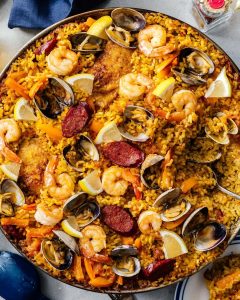
Simple Paella Recipe: An Ideal Weekend Culinary Adventure
# Paella: A Gastronomic Wonder of Rice, Seafood, and Socarrat
Paella, a dish that encapsulates the spirit of Spanish gastronomy, is a colorful and savory rice dish that has won the hearts of culinary enthusiasts globally. Hailing from Valencia, Spain, this dish is renowned for its distinctive blend of ingredients, such as rice, seafood, and the sought-after socarrat—crispy, crunchy toasted rice morsels that form at the bottom of the pan.
## Why This Recipe Will Captivate You
– **A Blend of Tastes**: Savor the best of both realms with a combination of seafood and meat.
– **A Timeless Recipe**: This is one of the earliest paella recipes found online, bringing classic flavors into your home.
– **A Filling Dish**: Who can resist the mix of rice, salmon, and chicken together?
### Overview
| Flavor Characteristics | Delicious, Spanish |
|———————–|——————–|
| Diet | Restaurant recipes |
| Storage | Covered in fridge for up to 48 hours |
| Reheating | Microwave is preferred |
| Difficulty | Medium |
| Pro Tip | If you lack a paella pan, a cast iron one is a close alternative |
## What Is Paella?
Paella, pronounced “pay-EH-yah,” means “frying pan” in Valencian. Traditionally, it includes short-grain rice, beans, rabbit, chicken, and saffron. However, contemporary versions vary widely, featuring seafood and vegetarian alternatives. The mixta paella, which merges meat, seafood, and vegetables, is especially favored.
## How to Prepare Paella
1. **Soak the Saffron**: Place saffron in a small bowl filled with hot water and set it aside.
2. **Sear the Proteins**: Heat olive oil in a paella pan over medium-high flame. Sear chicken skin-side down and brown the chorizo. Quickly add shrimp and remove to avoid overcooking.
3. **Sweat the Aromatics**: Incorporate onions, garlic, tomatoes, and paprika, cooking until aromatic.
4. **Add Liquids**: Gradually pour in chicken stock and saffron-infused water, bringing to a boil. Flip chicken skin-side up.
5. **Incorporate the Rice**: Evenly scatter rice and allow to simmer uncovered until most liquid is absorbed.
6. **Add Seafood**: Gently place clams and return shrimp to the pan.
7. **Cook on Low**: Continue cooking until clams open and rice is al dente.
8. **Form Socarrat**: Boost heat for 1-2 minutes to create a crispy layer of rice.
9. **Rest and Serve**: Cover with foil and let sit for 5 minutes before serving.
## Ingredients for Paella
– **Rice**: Bomba rice is perfect for its ability to absorb liquids and flavors while staying firm.
– **Smoked Spanish Paprika**: Contributes smokiness and color.
– **Protein**: Personalize with chicken, pork, seafood, or chorizo.
– **Vegetables**: Incorporate green beans, peppers, or any seasonal produce.
– **Stock**: A well-seasoned stock enhances the rice’s flavor.
– **Saffron**: Delivers the signature golden color and distinctive taste.
## The Significance of Socarrat
Socarrat is the coveted layer of crispy rice at the pan’s bottom, regarded as the most delicious part of the dish. It is caramelized, toasty, and brimming with intense flavors.
## Common Queries
### What types of paella exist?
– **Valencian**: The traditional variant featuring rabbit and chicken.
– **Seafood**: A meat-free option highlighting various seafood.
– **Mixed**: A combination of meat and seafood.
– **Paella Negra**: Made with squid ink for a unique black hue.
– **Vegetarian**: Packed with vegetables and sometimes chickpeas.
### Is it necessary to soak the rice?
No, soaking the rice can result in overcooking and a mushy texture.
### Should you stir while cooking?
No, stirring is unnecessary. This aids in achieving the desired socarrat.
### How do you reheat paella?
Reheat in a pan on the stove for optimal results, or use a microwave.
## Final Thoughts
Paella transcends being merely a dish; it’s a festival of flavors and heritage. With its stunning presentation and delightful taste, it’s no surprise that paella has gained global popularity. Whether preparing it for a special event or a relaxed dinner, this recipe is bound to impress. Savor the smoky saffron rice and crispy fragments that make paella a true culinary treasure!
Read More
Substitute Choices for Cayenne Pepper
Ran out of cayenne or discovered you don’t have any while cooking? Here’s the top replacement for cayenne pepper in your dishes.
Preparing a dish that requires cayenne but you don’t have it? There are several alternatives that work well as a replacement.
Cayenne is a spice made from ground cayenne peppers, which are moderately spicy red chili peppers (though some blends might include other varieties). Just a small amount provides the ideal level of heat for meats, fish, curries, stews, and more.
You’re most likely to find ground cayenne powder in various recipes. Don’t have it available? Here are several substitutes for ground cayenne pepper.
Top Ground Cayenne Pepper Replacement
1. Red pepper flakes
The best alternative to cayenne pepper? Red pepper flakes. They have a coarser texture compared to ground cayenne but provide significant heat. If you seek the same spiciness as cayenne, you might need to use a bit more. Start with a 1:1 substitution.
2. Hot paprika
Another excellent cayenne pepper alternative? Hot paprika. If you lack cayenne, you may also be out of hot paprika. Nevertheless, the spicy variant of paprika serves well as a replacement. Avoid using regular sweet paprika here: it lacks heat. Use an equal measure of hot paprika, then adjust according to your taste.
3. Hot sauce
Cayenne pepper primarily contributes heat rather than flavor. Thus, hot sauce can substitute some of the heat that cayenne provides! Just be aware that certain hot sauces possess very unique flavors. We wouldn’t recommend adding Frank’s Red Hot to a Moroccan-style stew that calls for cayenne. Therefore, ensure the hot sauce type aligns with the dish’s cuisine.
4. Hot paprika
If you have it available, hot paprika also serves as a replacement for cayenne pepper! It’s slightly milder, so you can use twice the amount of hot paprika than the recipe specifies for cayenne.
Read More